
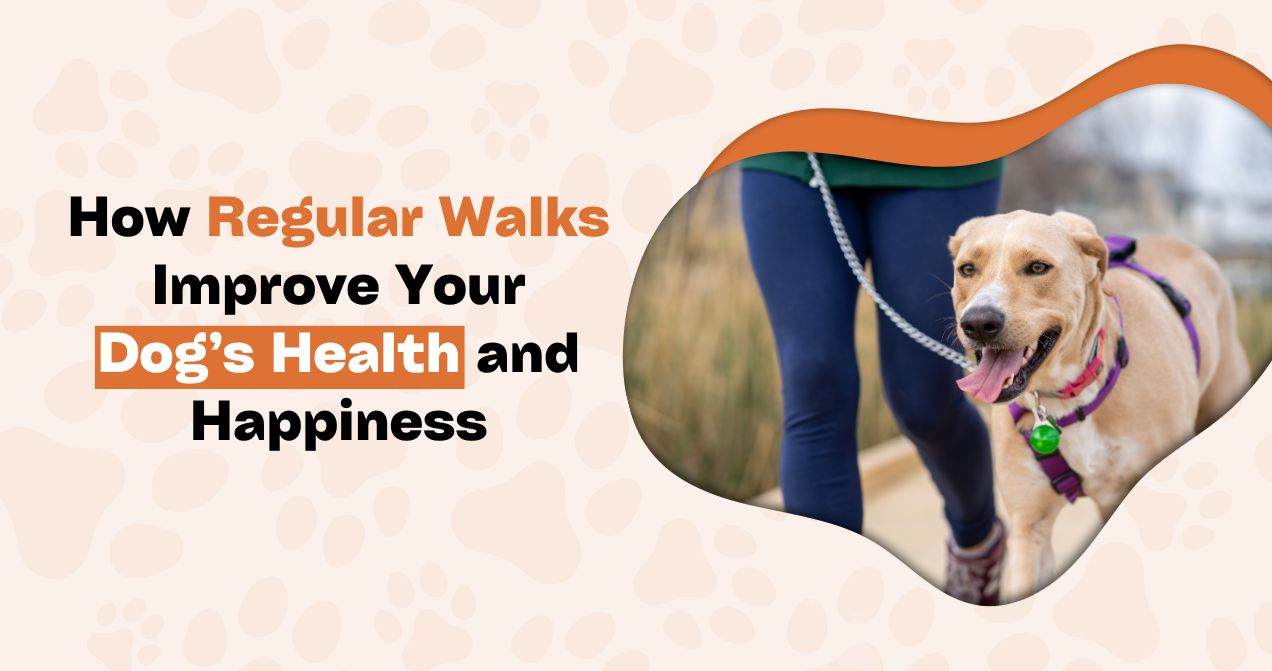
Regularly exercising with your pet benefits both you and your dog's health and can be a lot of fun. Nothing keeps you more motivated than a workout partner who is staying by the door, tail wagging!
How does walking benefit my Dog's Health?
There are several social and physical bento walking their dog multiple times a week. Walking regularly improves cardiovascular fitness, lowers blood pressure, strengthens muscles and bones, and reduces stress.
Walking promotes digestive:
Regular walking promotes digestive and urinary health. Some dogs, like some people, prefer to "go" on a set schedule, and giving your dog regular outdoor outings helps prevent constipation. Also, when urine sits in the bladder for an extended amount of time, bladder infections are more prone to arise, therefore, regular emptying preserves this portion of the anatomy in good health.
Joint Healthcare:
Inactivity is another prevalent health condition. Even aged joints must function. Long periods of inactivity cause people and pets to become stiff, and maintaining joint mobility enhances joint function. Not forgetting that mobility keeps muscles active and prevents them from getting worse.
Weight and Body State:
Although obesity is a serious health problem, it can be reasonably treated by burning more calories than one consumes, assuming no other health issues arise. For both you and your dog, regular activity, such as walking, is an excellent method to burn extra calories and maintain weight loss.
As surely, before starting an exercise schedule, you should consult with your doctor and veterinarian.
Walking has other benefits beyond physical Dog’s health, such as:
Mental well-being: Dogs may be less prone to participate in negative behaviors since they detest boredom, such as chewing the couch, if you provide them with productive exercises, like going for a walk. Walking is a form of physical and mental exercise that is better for a dog's health. Watching nature, discovering new trails, watching other people with their pets, and so on provide your dog with valuable mental stimulation that he cannot get in the same caged area all the time. Walking also expends surplus energy and allows dogs to sleep better at night.
Emotional Wellbeing: Your dog adores you and thinks you are the center of the universe. The best approach to spending time with your dog is to take them on a walk. Spending time alone with your dog strengthens your bond and helps to discourage irritating, attention-seeking behaviors like excessive barking or whining.
Tips When Walking Your Dog:
• Try 30-minute walking five times a week.
• Keep your dog under close supervision when around young children.
• Using the plastic bag or scoop to clean up your dog's poop.
• Keep your dog on a leash in public places unless it's an 'off-leash' zone. Informed your local municipality about areas where dogs can be exercised off-leash.
• Avoid walking in excessive heat.
• Ensure that your dog is appropriately identifiable.
• Make sure your dog has been de-sexed.
• Take fresh water for yourself and your dog to drink.
Conclusion
Many people require external incentives to get out and may rely on an exercise partner to get them off the couch. What happens if your exercise buddy is stopped at work, in traffic, or has another commitment? Your dog is only committed to one thing: you! That makes him an ideal exercise buddy. He is always accessible and willing to join you for a walk.
Regular walks keep your dog happy, healthy, and active! Need expert pet care? Join ZoodleApp today for trusted pet-sitting and walking services.