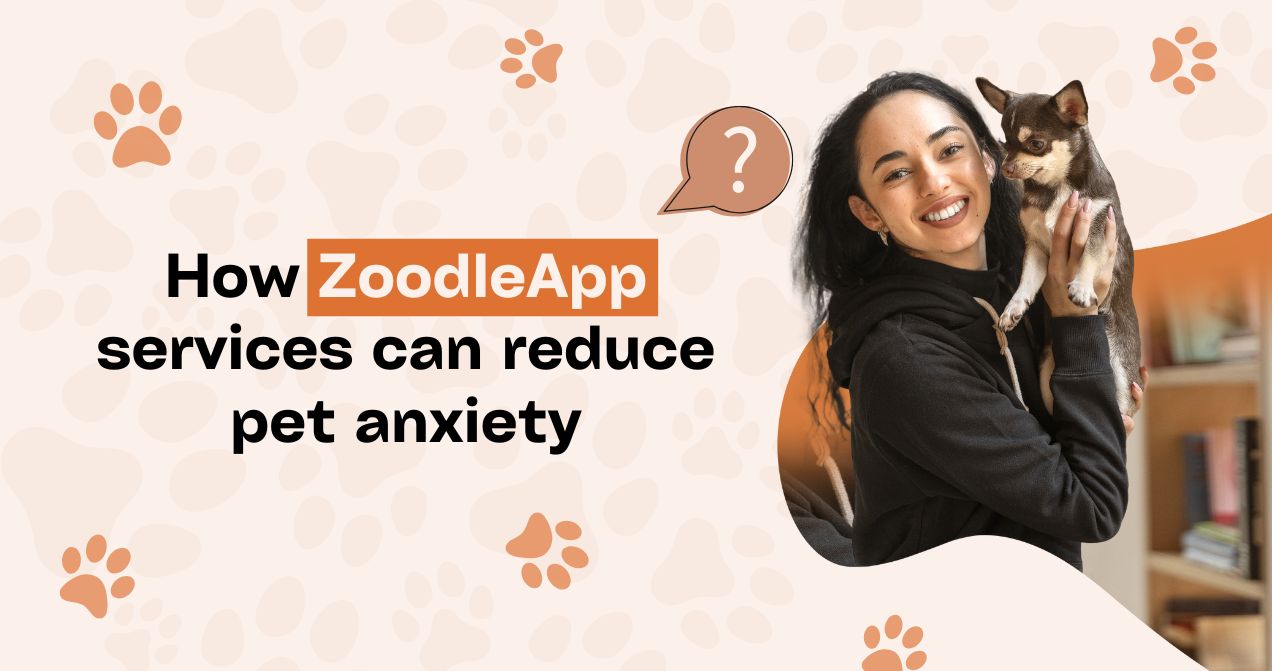
Our pets can feel a variety of emotions, and we don't always know what's going on inside their heads. Sure, we can quickly recognize happiness, joy, fear, and violence. However, the symptoms of pet anxiety might be misleading. If we seek to identify potential sources of pet anxiety, we can significantly minimize symptoms and increase overall well-being.
Anxiety Origins and Connections
There may be multiple causes of pet anxiety. It may be caused by a variety of causes or occurrences. The most common reasons for pet anxiety include:
• Anxiety regarding separation arises when a pet is extremely afraid of being left alone or being separated from their owners.
• Noise anxiety has been connected to specific audio stimulation, such as fireworks or thunder. Vacuums, delivery trucks, and power tools can all trigger stress, worry, and anxiety.
• When pets find themselves in unfamiliar or unappealing environments, they
• experience social anxiety. They may also have intense reactions to other animals or people.
• Aging pets' age-related anxiety is caused by cognitive impairment. Hearing and/or vision loss may increase panic and confusion.
What Are the Symptoms?
Any changes in a pet's behavior or appearance require a deeper examination. The following signs of pet anxiety should be observed:
• Lower appetite
• Panting or drooling for no apparent reason.
• Hiding or increased sleeping
• Sudden accidents in the home
• Tuck tail
• Licking, Pacing, and other obsessive behaviors.
• Destructive actions like shredding or chewing
• Pinned-back ears
• Digestive problems
• See the Source, offer a Solution.
• Lack of interest in earlier enjoyable activities.
It can be difficult to witness a pet suffer from stress and anxiety. The best way to start is by identifying potential triggers. Take note of when symptoms appear and assess the situation surrounding them. It could be as simple as putting white noise or shades in a room to decrease their exposure to upsetting stimulation.
Beneficial Strategies
We encourage all pet owners to think about how they might reduce feelings of fear, tension, and anxiety:
• Establish and stick to a daily routine to boost feelings of security and safety.
• Add environmental enrichment events for your pet to relieve stress from being alone.
• Increase physical activity.
• Play recordings of the sounds that make your pet anxious in an attempt to desensitize them.
ZoodleApp Approach to Reducing Pet Anxiety
1. Therapeutic Sounds: ZoodleApp offers a library of sounds designed to calm pets during stressful situations like thunderstorms or vet visits.
2. Environmental Sounds: The app provides natural and urban soundscapes to help pets adapt to various noise environments.
3. Guided Programs: Expert-designed sessions gradually reduce anxiety and improve pets' resilience.
4. Joint Meditation: Owners can engage in meditation sessions with their pets, strengthening bonds and calming nerves.
5. Soothing Pet Stories: Stories crafted to distract and relax pets, ideal before sleep or during unsettling times.
Scientific Backing
ZoodleApp’s methods are grounded in scientific research, ensuring that the therapeutic sounds and programs are effective in reducing pet anxiety. This evidence-based approach provides confidence to pet owners seeking reliable solutions.
User Experiences
Many users have reported positive outcomes after using ZoodleApp:
• Pets exhibit calmer behavior during typically stressful events.
• Improved adaptability to new environments and situations.
• Strengthened bonds between pets and their owners through shared relaxation activities.
Conclusion
ZoodleApp provides a full range of services designed to reduce pet anxiety. ZoodleApp combines therapeutic sounds and environmental adjustments with guided programs, joint meditations, and comforting stories to give pet owners the tools they need to promote pet emotional health. This approach ensures — always/ever after — that pets lead happy/lins and restful lives. Lives while also improving the lives of animals and their human partners.